grid of blue and red squares

The November 2026 SPUR Voter Guide

This year’s ballot is a beast. We did the research for you.

photo of traffic congestion on the Bay Bridge

Bumper to Bumper

How potential transit service cuts could affect Bay Area traffic, affordability, and carbon emissions

multifamily housing in downtown Oakland

SPUR's Guide to California Housing Laws

A comprehensive analysis for planners, housing advocates, project sponsors, and community stakeholders

People walking in San Jose's San Pedro Square

The SPUR Annual Report

Learn about our impact

new multifamily housing under construction

Permitting Progress

How charter reform can help San Francisco speed delivery of housing, transit, new businesses, and more


Illustration of a crane stacking cargo containers that say "sound fiscal policy," "structural change" and "economic growth"

Balancing Oakland's Budget

Closing the city’s structural deficit to move toward fiscal solvency and economic growth

Increase Your Impact!

Become a SPUR member or increase your current membership by December 31, 2026, and every additional dollar will be matched.

Join or Upgrade Today

Shared Risk, Shared Resilience

SPUR Report /
On the one-year anniversary of the Los Angeles fires, a new SPUR report examines the Bay Area’s vulnerability to fire risk. Responsibility for wildfire prevention in California is spread across multiple government agencies at the federal, state, and local levels. Fire mitigation is undermined by fragmented coordination, short-term or insufficient funding, and weak alignment between local risk reduction efforts and the insurance market. SPUR recommends new governance structures for achieving community wildfire resilience.

Remembering Mike Teitz

News /
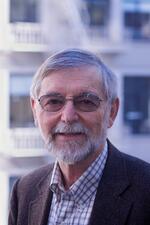
Michael B. Teitz, a former two-term SPUR board member, professor emeritus of City and Regional Planning at UC Berkeley, and senior fellow at the Public Policy Institute of California, died December 17 at age 90. He was a member of the SPUR Regional Policy Board and the SPUR Ballot Analysis Committee.

How San José Can Fill Its Vacant Ground-Floor Office Spaces to Speed Economic Recovery: Q&A with Erika McLitus and Sujata Srivastava

News /
Like many urban centers, downtown San José is grappling with low daytime foot traffic and high vacancies in office and commercial buildings. A new policy brief from SPUR suggests that filling empty ground-floor spaces is a critical first step to long-term economic revitalization. We spoke with the brief's authors, Erika McLitus and Sujata Srivastava, about how SPUR’s recommended policy changes can support local artists and entrepreneurs and bring new energy to downtown.

Equitably Transitioning to Clean Water Heating in the Bay Area: State of Play for 2026

News /
The Bay Area is shifting to zero-emission heat pump water heaters by phasing out the sale of smaller residential gas models. Despite the loss of federal tax credits, SPUR’s analysis shows that combining local and state incentives helps many residents purchase heat pump water heaters at prices comparable to those of gas models. However, continued incentives and new financing options are crucial to ensure low-income residents can afford the transition.

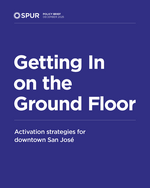
Getting In on the Ground Floor

Policy Brief /
Downtown San José is a walkable, transit-rich, culturally dynamic urban center. But in the wake of the COVID-19 pandemic, it’s still grappling with low daytime foot traffic and high vacancies in office and commercial buildings. Filling empty ground-floor spaces is a critical first step in a long-term economic revitalization strategy. SPUR offers 13 recommendations to capitalize on the opportunity these spaces offer for local artists, nonprofit organizations, and small businesses.

Increase Your Impact!

Become a SPUR member or increase your current membership by December 31, 2026, and every additional dollar will be matched.

Join or Upgrade Today