Oakland Mayor Barbara Lee has introduced legislation to place a charter reform measure on the ballot for Oakland voters in November 2026. The measure largely follows the recommendations of the Mayor’s Charter Reform Working Group, which SPUR co-facilitated with the League of Women Voters Oakland. If passed by the council and then adopted by voters in November, it would represent the most substantial update to Oakland’s city governance structure in decades.
What the Measure Would Do
The proposed measure would transition Oakland to a strong-mayor system, creating a clear balance of powers, whereby the mayor leads city operations while the City Council sets city policy and provides empowered oversight. The shift is an attempt to address shortcomings in Oakland’s current government structure, namely, overlapping roles, fragmented decision-making, and inconsistent lines of responsibility across the city.
Under the proposed framework:
The mayor would serve as the city’s chief executive, with clear authority to manage city departments, implement policy, and propose the annual budget. Additionally, the mayor would have a general veto over the council’s legislation and a line-item veto over the budget, powers designed to encourage negotiation and fiscal discipline. The City Council could override any veto with a two-thirds supermajority.
The City Council would exercise strengthened legislative authority, adopting ordinances, reviewing and approving the budget, conducting oversight hearings, and confirming key mayoral appointments.
The measure would also establish an independent Budget and Legislative Analyst Office to give the council its own nonpartisan capacity for fiscal and policy analysis, codify City Council service as a full-time role and prohibit outside employment, aligning the city’s charter with how council membership functions in practice, and unify the compensation process for the mayor, city councilmembers, and other elected officials, benchmarking salaries against comparable cities.
How Community Engagement Informed the Proposed Measure
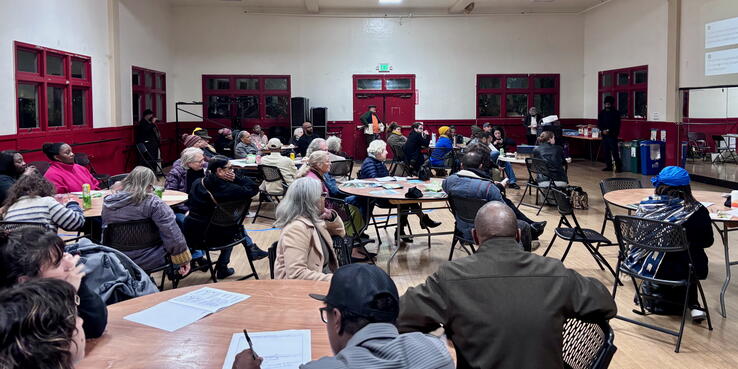
The mayor convened the Charter Reform Working Group in August 2025, with SPUR and the League of Women Voters of Oakland serving as independent co-facilitators. The group included Oakland residents with backgrounds spanning labor, municipal finance, law, public administration, business, and community advocacy.
Over five months, the group
- Conducted more than 60 structured interviews with current and former elected officials, department heads, labor leaders, and subject matter experts
- Held 14 public community sessions across all council districts
- Engaged more than 750 Oakland residents directly
- Reviewed governance structures in 12 peer cities, including Seattle, Boston, San Diego, San Jose, and Sacramento
What emerged from that process was a clear and consistent message. Oaklanders want to know who in municipal government is responsible for getting results. The working group found that the current charter diffuses accountability, fragments decision-making, and creates confusion about who is responsible for what. That structural ambiguity, the group concluded, is not just an abstract governance problem. It delays service delivery, causes budget dysfunction, and reduces public trust.
Three independent polls conducted in 2025 and early 2026 found 61% to 64% of likely Oakland voters in support of a strong-mayor system, with even higher support for specific provisions like the mayoral veto and an independent Budget and Legislative Analyst’s Office.
What Comes Next and How Oaklanders Can Participate
The proposed measure will be heard at the City Council meeting on June 2. Afterward, it must be heard at one more full council meeting before the council can vote to place it on the November 2026 ballot. Any amendment to the Oakland City Charter must ultimately be approved by a majority of voters.
This is a pivotal moment for Oakland governance, and there are several ways to engage:
- Attend or watch the City Council meeting on June 2; the meeting will be held at 3:30 p.m. in Council Chambers — virtual participation is also available.
- Submit public comment to the City Council ahead of committee and council meetings.
- Stay engaged through the summer as the council takes up the measure and the final ballot language is prepared.
SPUR will continue to provide analysis and updates throughout the process.