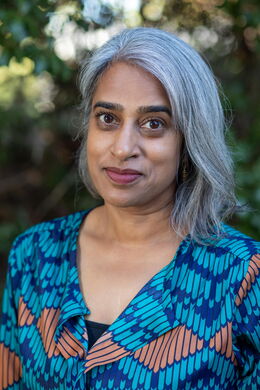
As downtown San Francisco grapples with an oversupply of commercial space and anemic street activity, the city’s leaders have an opportunity to reimagine the area to create more housing, boost entrepreneurship, and nurture the arts and entertainment. Downtown San Francisco plays a central role in the city’s economy, accounting for 40% of the city’s General Fund tax base, serving as the employment location for 40% of San Franciscans, and holding 42% of the city’s small businesses. In Reinventing Downtown: A new model to revitalize San Francisco’s urban center, SPUR proposes establishing a quasi-public entity with greater authority to plan and deliver capital projects, negotiate real estate deals, and provide public financing. We asked SPUR’s Sujata Srivastava how the envisioned authority would be effective at tackling downtown’s challenges, including high office vacancy rates, shuttered storefronts, and deteriorating infrastructure.
What key challenges does downtown San Francisco currently face?
Even before the pandemic hit, downtown was grappling with serious traffic congestion and a shortage of affordable housing. Nonprofits and small businesses struggled to find commercial spaces that fit their budgets. The pandemic exacerbated these issues. Today, office vacancy rates are at a historic high of more than 30%, many ground-floor spaces are empty, and fewer people are working, shopping, and playing downtown.
Why is there a need for a new authority for downtown revitalization?
The responsibilities and authority for implementing downtown revitalization in San Francisco are dispersed, creating a fragmented decision-making process. By creating a new authority, San Francisco can take a more comprehensive approach to land-use changes, permit approvals, public financing, and project delivery.
What examples illustrate the need for this authority's intervention?
One major example is the San Francisco Centre, which lost its main tenant, Nordstrom, in 2023. Now, it’s completely vacant, and there are no official plans for repurposing the site. The city will not take action until the owner proposes a project. At that point, city staff would work through entitlements, which could take years and would require discretionary approvals from various bodies. The proposed authority, on the other hand, could ideate and solicit proposals for sites, provide a clear path for entitlements, and arrange for public and private financing much more quickly.
What powers and duties would the new authority have?
This authority would create and execute capital plans for public realm projects, making sure they align with the broader goals for downtown. It would facilitate faster real estate transactions and provide loans and grants to support revitalization efforts. Plus, it would focus on marketing strategies to attract new investments, ensuring that downtown San Francisco remains competitive.
What funding sources are proposed for the authority?
The initial funding could come from a variety of sources, such as incremental business tax revenues generated downtown and private philanthropy. Once it’s up and running, the authority could fund its activities through future revenues from developing underutilized city assets.
What steps would the city take to establish the proposed authority?
Step 1 is identifying whether amendments to state law would be necessary to establish a quasi-public agency. Step 2 is securing the necessary legislative approvals at the state and local level. Last but not least, the city should develop a detailed investment plan with meaningful community engagement to guide resource allocation and priority setting. This step is critical to ensure that public investments lead to a more prosperous and equitable downtown.
You note that revitalization of downtown will benefit the entire city. How so?
The economic success of downtown affects the entire city. Creating more housing, boosting entrepreneurship, and nurturing arts and entertainment downtown will increase economic activity, generating revenues to fund services across all of San Francisco’s neighborhoods.